
When biosecurity checks, declaration rules, and first-home choices all collide, international packers and movers service to New Zealand should feel prepared, selective, and reassuringly organised.
No spam. No hidden fees. Ever.
Proof points that reassure customers before packing, paperwork, transit, delivery, and settling in.
The certifications here reflect the standards, compliance practices, and service discipline behind every Maxwell relocation engagement.








New Zealand moves usually reward foresight over speed, because declarations, inspection standards, and the real practicality of what arrives first often shape outcomes on arrival.
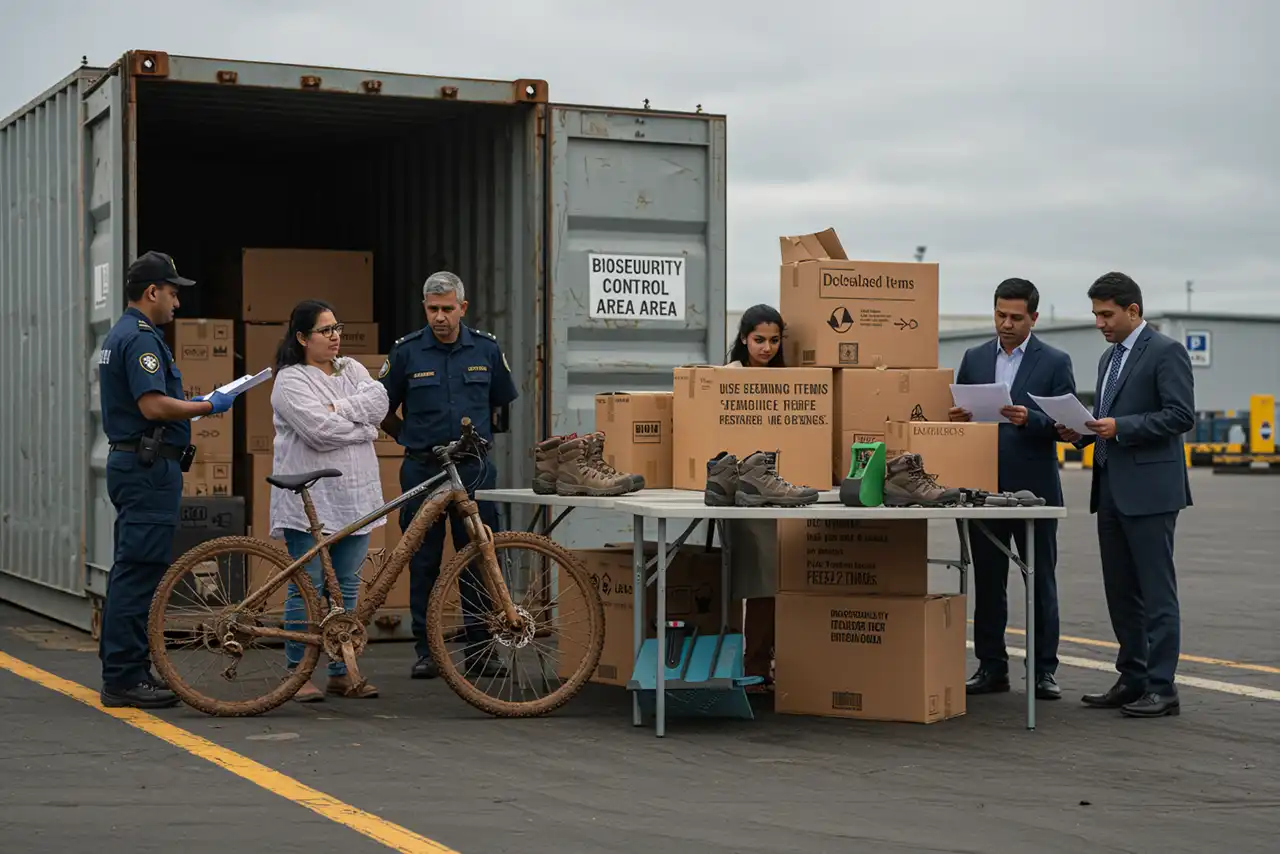
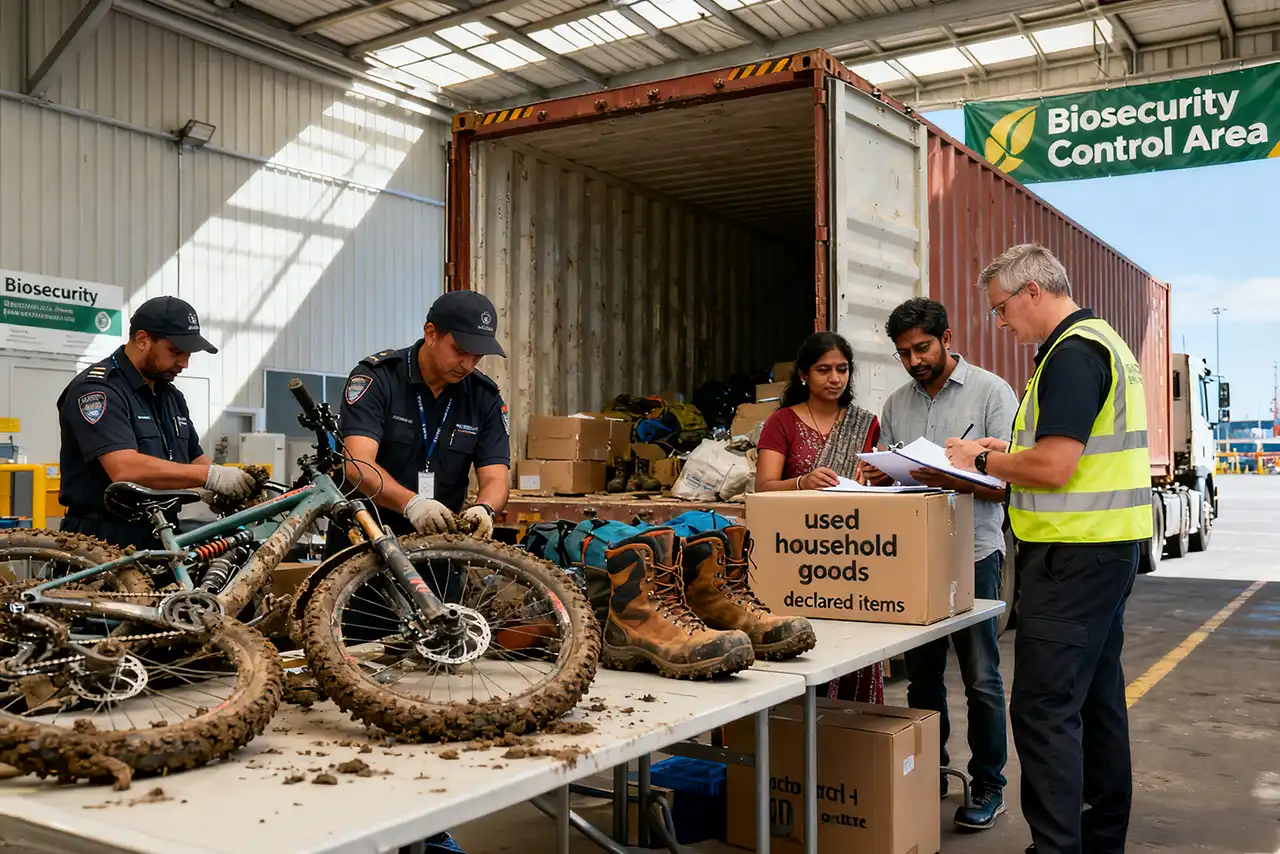

Before cartons close, New Zealand routes usually improve when concession planning, inventory detail, timing, and biosecurity-sensitive goods are organised with greater discipline and clarity early.
For New Zealand-bound households, the international packers and movers service to New Zealand feels stronger when documents support concession status, inventory clarity, and arrival-side declarations consistently.
Passport-linked details help connect the goods to the customer and support the documentary file used when the shipment reaches New Zealand for clearance.
Residence-authorising documents matter because Customs ties household-effects concession eligibility to the importer’s immigration or residence basis during arrival and later clearance assessment.
A detailed inventory helps identify what is travelling, supports cleaner declarations, and reduces avoidable uncertainty if goods are screened more closely later.
Bills of lading, airway bills, and packing references keep the route traceable from uplift in India through New Zealand handling and delivery.
New Zealand Customs says the household-effects concession depends on criteria including a document authorising residence, prior ownership and use, and personal-use intent; if effects are brand new or unused, duty and GST apply. MPI also says sea or air shipments require an unaccompanied personal baggage declaration and may be inspected for biosecurity risk.



Some international moves are shaped mainly by volume. New Zealand usually becomes a question of what is sensible to ship and how it is presented overall. That is where international packers and movers service to New Zealand usually becomes more intelligent. A shipment that separates used goods from new purchases, screens outdoor and organic-risk items early, and matches the first home more carefully usually gives households a steadier start than a bulk-first approach.
Before dispatch commits, practical moving services for New Zealand usually work best when households prepare for inspection logic, item cleanliness, and realistic settling expectations first.
|
Do’s
|
Don’ts
|
|---|---|
|
Confirm whether the first address truly needs a full-household arrival or whether a more selective first consignment would create better control.
|
Don’t assume every used or new item will be viewed in the same way, especially where concession logic depends on ownership and use.
|
|
Keep passport copies, inventory sheets, and shipment references together so the paperwork remains easier to match after arrival.
|
Don’t pack biosecurity-risk goods casually into the main shipment without deciding whether they are genuinely worth sending.
|
|
Clean outdoor items, sports gear, garden tools, and similar goods before packing if they might carry soil, residue, or organic matter.
|
Don’t leave declarations until the cargo is already moving, because missing details can complicate arrival-side clearance.
|
|
Review wood packaging, food-related goods, and other risk categories before final approval of the packing plan.
|
Don’t treat the first New Zealand delivery as a storage exercise if the opening home still needs to be understood properly.
|
MPI says personal goods imported by air or sea may be screened, sea containers are mandatorily inspected, and wood packaging or risk items can trigger extra requirements or treatment.
For many households, international packers and movers service to New Zealand becomes easier once the move is treated as inspection-aware, not merely freight-led planning alone.
People often expect all household goods to be treated alike, even though ownership history and new-versus-used status can matter significantly during customs assessment.
Items that feel ordinary at origin can become complicated later if dirt, residue, wood, or organic traces were never considered carefully beforehand.
A full container is not automatically the smartest choice if the first home, first delivery, and storage needs remain unclear initially.
When declarations, inventories, and residence papers are prepared early, the route usually feels steadier and easier to guide on arrival there later.




Our international relocation services help families sort concession-sensitive goods, tighten inventory clarity, and shape a New Zealand shipment with realistic early living needs in mind.
Before international packers and movers service to New Zealand begins, residence-linked papers, a detailed inventory, shipment references, and early biosecurity screening deserve attention.
Not always. International packers and movers service to New Zealand usually works better when used effects and new purchases are separated clearly before packing.
Because the route is strongly influenced by inspection and biosecurity controls, especially where soil, residue, or wood packaging may be involved.
Yes. On international packers and movers service to New Zealand routes, risk goods, wood packaging, and undeclared items can trigger extra checks or treatment.
Look for inventory discipline, inspection awareness, and whether packers and movers in New Zealand are discussed around actual clearance realities, not generic promises.
Yes. Maxwell’s international packers and movers service to New Zealand also helps families decide what should ship first and what deserves closer review before loading begins.

A steadier start usually comes when international packers and movers service to New Zealand is planned around declarations, inspection logic, and practical household priorities early.